Last night, I stood outside Florida State Prison to bear witness during the execution of Chadwick “Khalil” Willacy. We prayed for Marlys Sather, the victim in Khalil’s case, and for everyone who has loved and grieved her for more than three decades. We prayed for Khalil and said his name, all the while the State of Florida was carrying out yet another irreversible act of violence in ours.
I want to talk more about Khalil, but first I need to let you know some important and disturbing news: Less than 24 hours after the last execution, Gov. DeSantis has signed another death warrant. Moments ago, another man was led from his cell to death watch where he was told he had a month left to live. Richard Knight is scheduled to be executed on May 21, 2026 at 6 p.m. for the 2000 murders of Odessia Stephens and her daughter Hanessia Mullings.
In a chilling sign of how rapidly executions are being pushed forward, the Governor’s office didn’t even update the official notification letter sent to the prison warden — it still bears the name James Hitchcock. James Hitchcock’s warrant was signed nearly a month ago, and he is scheduled for execution next week. This is a copy-and-paste execution process.
We will have more action steps soon. For now, take 30 seconds to act by signing the petition:
Stay the Execution of Richard Knight
Florida is also preparing to execute James “Erny” Hitchcock next Thursday, April 30, 2026 at 6 p.m. Erny has spent 50 years on death row for a crime that his brother Richard repeatedly confessed to committing. The State of Florida is going to kill an innocent man in all of our names, and we need your voice to push back. Please sign his petition, send a letter to the governor, and make plans to attend or host a vigil should the execution go forward.
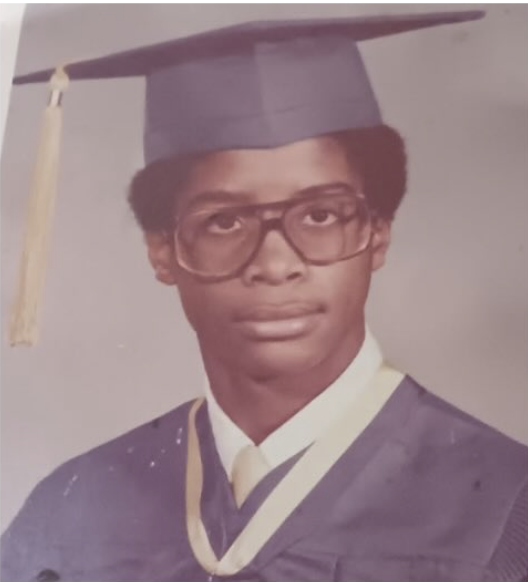
Finally, I would be remiss if I didn’t speak about Chadwick Willacy. I had the privilege of getting to know his family well during his death warrant period, and I was honored to learn more about the man who is known to friends as “Khalil.”
By the time many people heard Khalil’s name, the State had already written the narrative for them: Convicted murderer. Death row prisoner. Another execution.
But that is not the full story of who he was. Khalil was a son to an 87-year-old mother who is now grieving the loss of her child. He was a brother. He maintained close relationships with friends who remained part of his life for years. He wrote letters to pen pals across the world. He loved reggae music and jerk chicken. While some people in prison receive disciplinary reports for violence, drugs, or contraband, Khalil once got in trouble for having unauthorized sneakers. He played basketball on the row with our friend and board member Ron “Ralph” Wright, Jr., who spent time alongside him before his exoneration. He testified on behalf of a death row neighbor last week — not because he had to, but because he knew his voice mattered.
Last night, Florida executed a human being who spent decades growing, changing, and building relationships. A man whose loved ones described the crime as completely out of character — a devastating act committed during the height of severe addiction that fundamentally altered his behavior and judgment. A person who spent much of his life afterward trying to become better than his worst moment. And even in his final days, Khalil was still thinking about other people.
We told many of these stories, as well as the story of the retaliatory reason Khalil was chosen for execution, in our statement. Please read it in full here.
As we stood there in that field, waiting for the inevitable announcement that the execution had been completed, I looked around at the people gathered there — longtime abolitionists, faith leaders, families, students, people who had driven hours just to ensure Khalil did not die alone. And I felt the same thing I always feel in those moments: Deep grief. Deep anger. And deep certainty that this movement matters now more than it ever has before.
Because Florida wants these executions to feel normal. They are not normal. There is nothing normal about gathering in a field to witness your government kill another human being. There is nothing normal about reducing a life to a press release and pretending redemption does not exist. And there is nothing normal about a state that keeps choosing death over and over again.
Thank you for continuing to stand with us in these painful moments. Thank you for refusing to look away. And thank you for helping us ensure that people like Khalil are remembered as full human beings.
Onward,
Grace Hanna